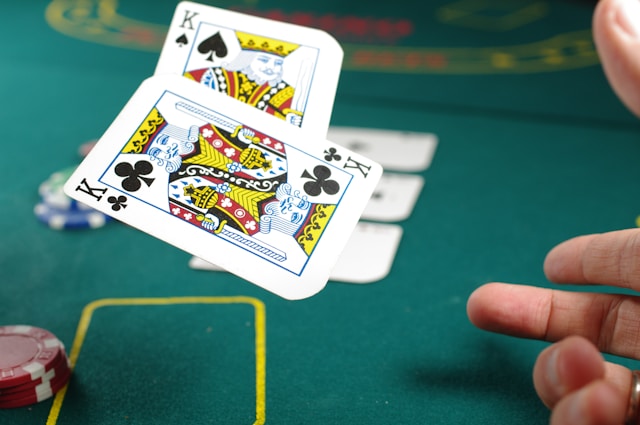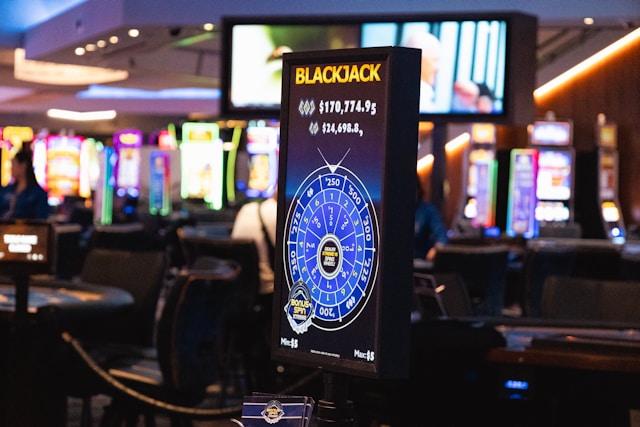
In the modern market, it is much easier to access a digital casino than to travel to a conventional one. While this mass exodus happened 20 years ago, there are still plenty of casino gamers who prefer card-based games like poker and blackjack.
Online poker draws in millions. But the decisions players make about risk, those quick judgments about betting, folding, doubling down, rarely boil down to some cold calculation of numbers. Instead, they’re colored by shifting moods, quirks of the platform, and whatever tension is in the moment.
The world of poker has evolved dramatically over the past 3 decades or so, with the game first moving online in the 1990s before transforming into what it has become today, in 2025. The latest transformation in online poker, live dealer poker, has taken the world by storm.
‘Poker isn't just a game, it's a challenge. It gives me emotions that can't be compared to anything else.’ – Ben Affleck, actor and poker tournament winner.
Explore how freeroll poker tournaments fit into New York's gambling laws. Learn where you can play legally, what risks exist, and how freerolls compare to real-money poker games. Freeroll Poker Tournaments and New York Laws: What You Need to Know.
Live poker is not just about cards and math. At every table, players form opinions about you within the first few orbits. That perception affects how often they fold, call or fight back. A strong table image helps you push opponents around or get paid when you hit a monster. In live rooms, where people closely watch behavior, it becomes a practical edge.
Most players want their money to last. Stretching your bankroll is not about chasing big wins or reinventing how you play. It usually comes down to taking advantage of offers that quietly give you more time at the tables without increasing your spend.
Poker is among the most popular casino games that millions around the globe enjoy daily. That’s not surprising, because poker is one of the games in the casino that heavily relies on strategy, skill, and math. There’s always the element of luck, but there’s also a lot of skill in the game, and not having luck can always be substituted with having plenty of skill.
Poker was born all the way back in the 1800s, meaning it has seen plenty of iterations in terms of development to reach the format and level of popularity that we find in the modern day. From the roots of being established, to being regarded as a legal activity, to now being able to access the gameplay through live casino websites, playing remotely with real dealers, the evolution cannot be understated.
Poker is one of the biggest card games in the world, dominating casinos across the planet as a result of its fascinating blend of luck and skill in play. It evolved from a 19th-century card game that spread worldwide after its discovery in the United States, leading to a surge in player numbers. In today’s world, poker can be played in almost every casino, with dedicated tables, rooms and, even in some cases, tournaments between some of the most elite players.
Daniel Negreanu’s new partnership with prediction market operator Kalshi arrived with a headline-grabbing offer: one fan will receive a $30,000 package to WSOP Paradise, including a $26,000 seat in the Super Main Event.
Poker continues to attract new players in the United Kingdom and abroad, driven by a combination of televised tournaments, mobile platforms, and a consistent calendar of live events. Across low-stakes pub games and higher-buy-in festivals, the structure remains familiar, yet strategies continue to shift as technology and data become more mainstream.
Poker and Blackjack have long stood as two of the most iconic card games in the world. Both found their homes in the grand casinos of Las Vegas, private tables of high rollers, and on online platforms accessed by players of every skill level.